Fighting For Maritime Workers Seriously Injured At Sea
Board Certified Maritime Trial Attorneys. Fighting For Injured Offshore Workers, Seamen, and Mariners Nationwide. Federal maritime law is not like any other area of law. You need a team that has spent decades mastering it and winning.
You Were Injured at Sea. Your Employer Is Already Preparing Their Defense.
Maritime companies and their insurers retain experienced legal teams the moment an accident is reported. Every day that passes, evidence is gathered against you. You deserve a legal team that is just as prepared, just as aggressive, and entirely on your side.
We Have Taken on the Largest Maritime Corporations and Won!
VB Attorneys Represents Every Maritime Worker Regardless of Job Title
If you work on the water, offshore, or on any navigable waterway, you likely have rights under federal maritime law that your employer does not want you to know about.
-1.webp?width=1280&height=628&name=1%20(1)-1.webp)
Offshore Oil & Gas Workers
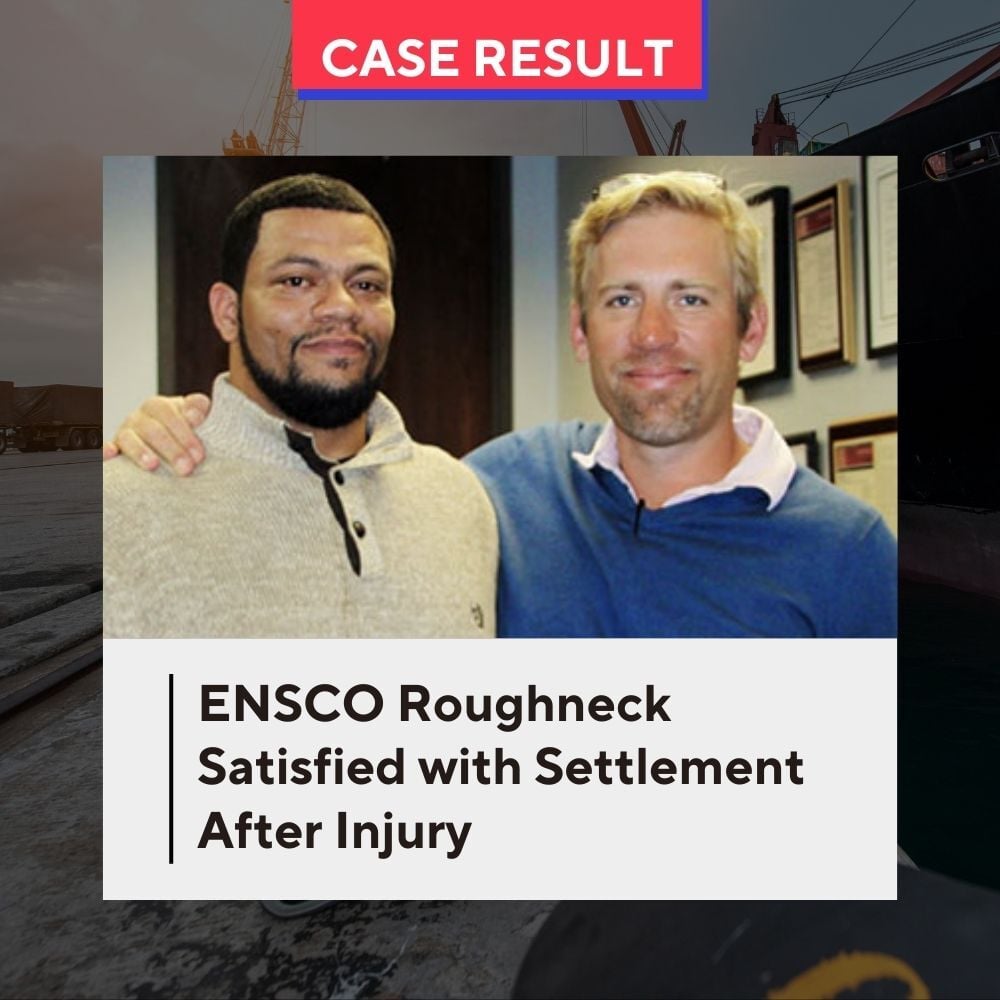
Roughnecks, roustabouts, drillers, toolpushers, derrickmen, mud engineers, company men, and Offshore Installation Managers (OIMs)

Seamen & Vessel Crew
Captains, mates, ordinary seamen (OS), able-bodied seamen (AB), deckhands, engineers, and pursers
.webp)
Barge & Tugboat Workers
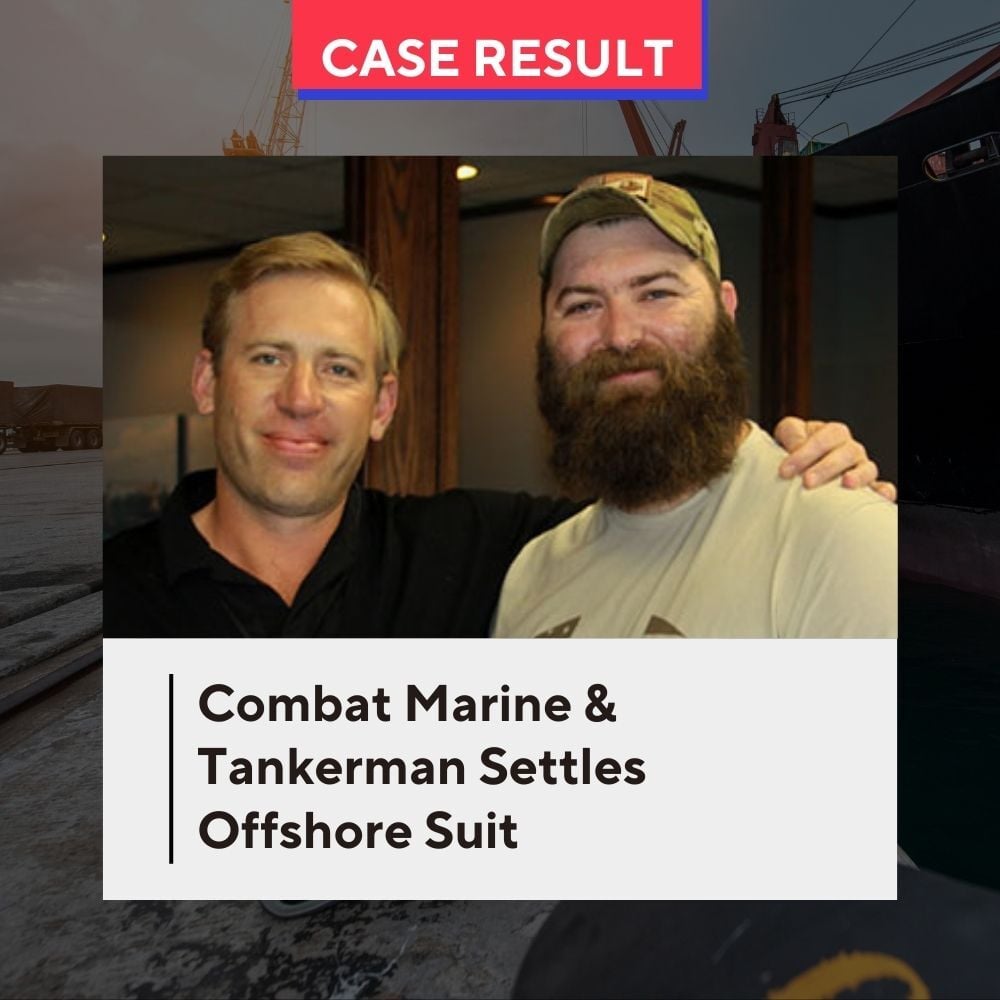
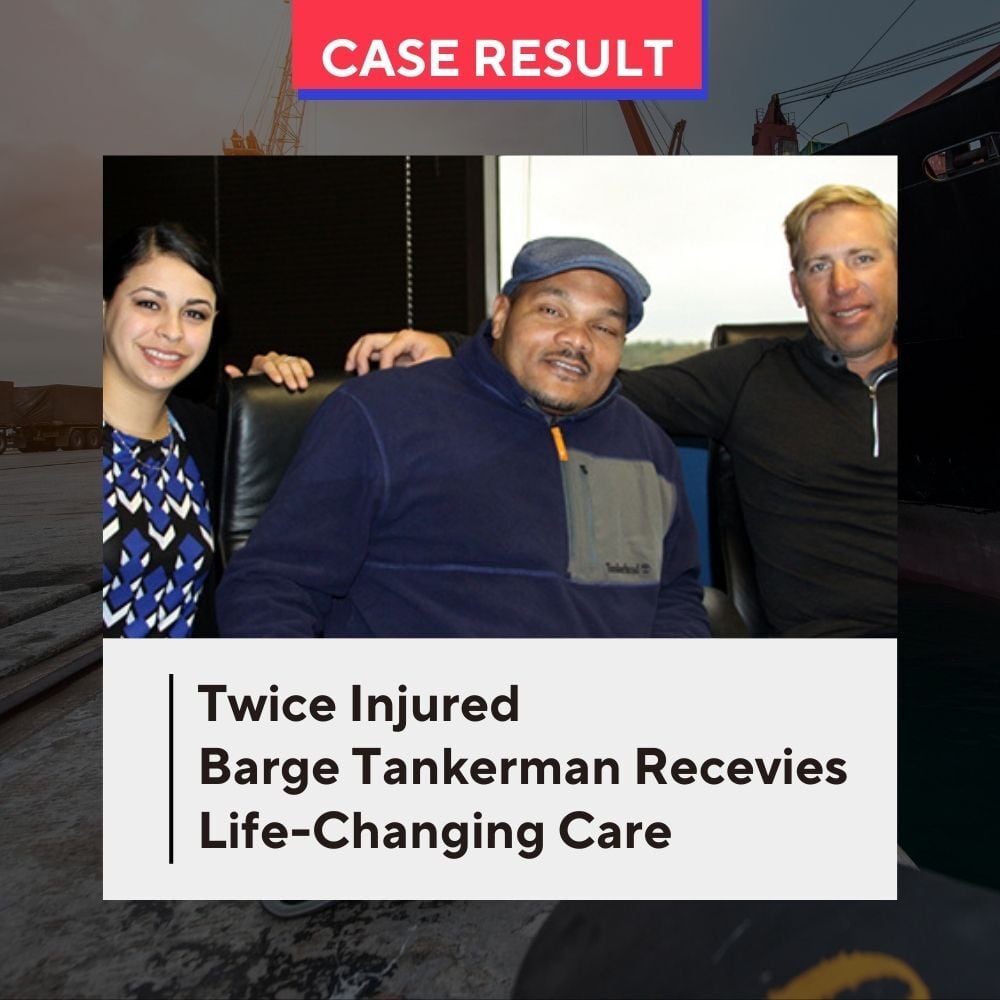
Tankermen, barge captains, tug crew, and line handlers

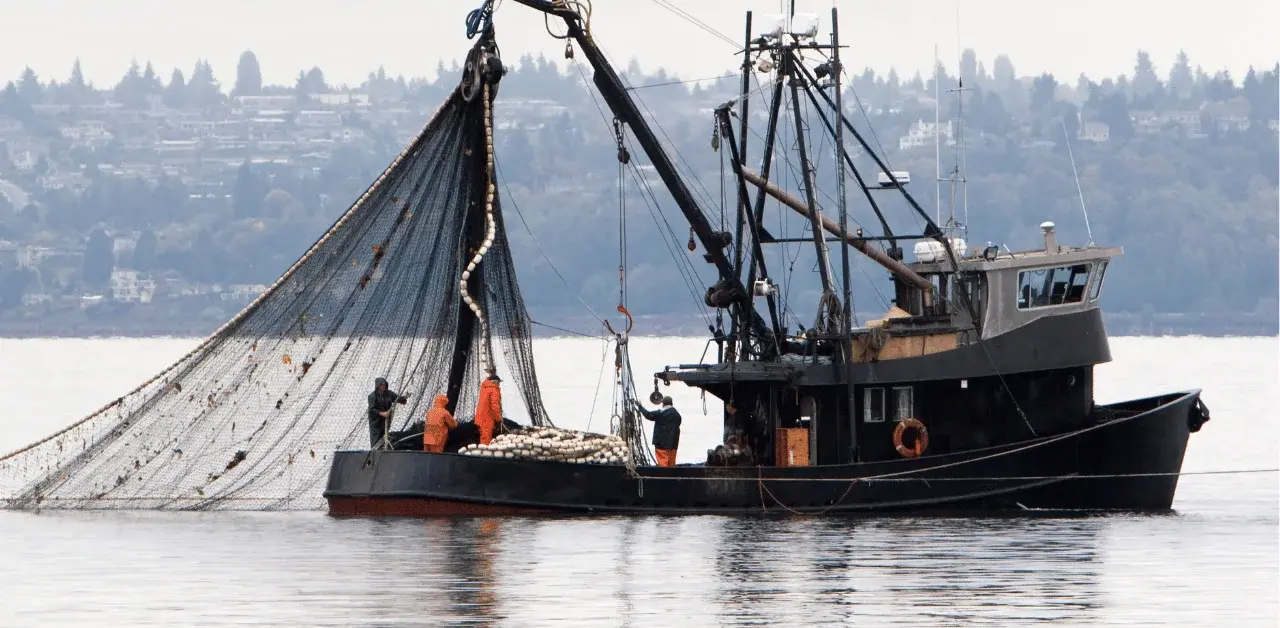
Commercial Fishermen
Deckhands, fish processors, and vessel operators

Cruise Ship & Ferry Employees
All vessel employees covered under general maritime law

Support & Service Workers Aboard Vessels
Cooks, galley hands, medics, and hospitality staff assigned to a vessel
Three Powerful Legal Protections Maritime Workers Have That Most Lawyers Don't Know How to Use
-
The Jones Act (46 U.S.C. § 30104)
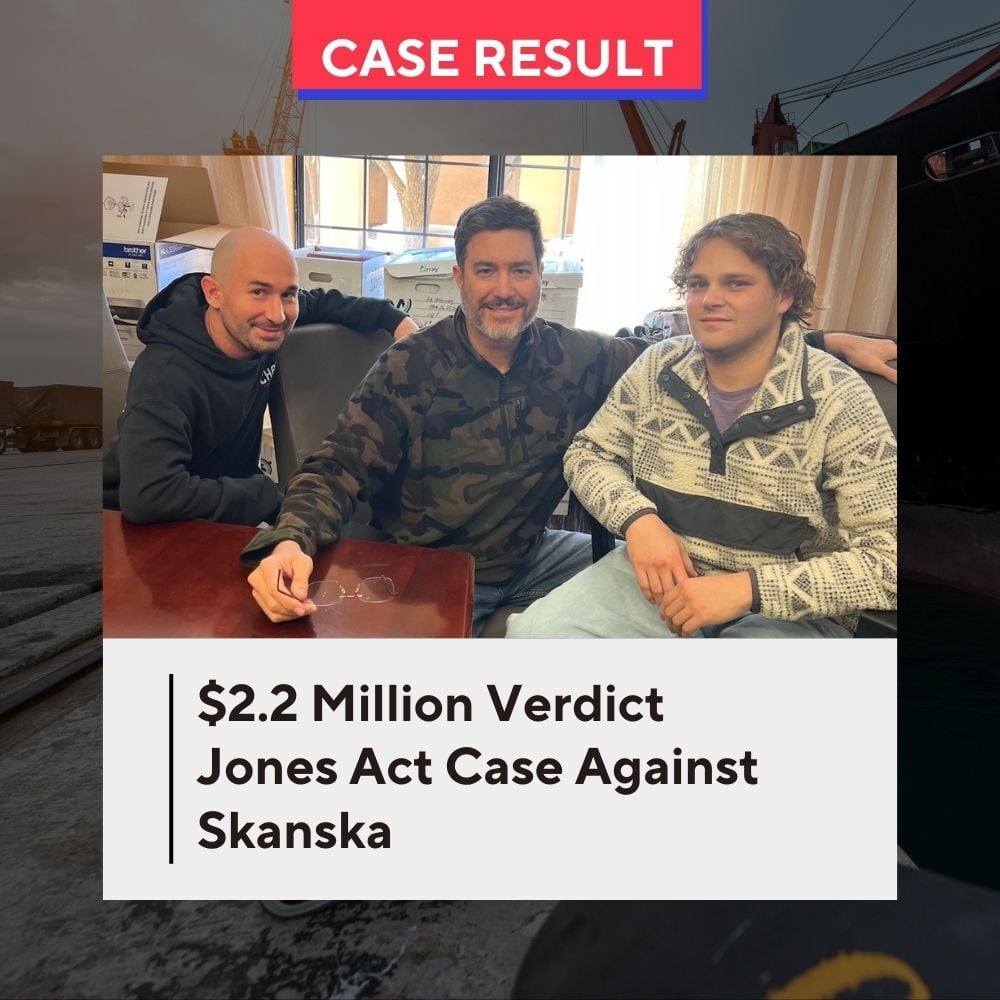
The Jones Act gives qualifying seamen the right to sue their employer for negligence. Unlike standard workers' compensation, the Jones Act allows you to pursue full damages including pain and suffering, lost wages, and loss of future earning capacity. To qualify, you must be a "seaman" assigned to a vessel in navigation. The Jones Act's negligence standard is extremely favorable to injured workers even a very small degree of employer fault can establish liability.
-
Unseaworthiness
Separate from the Jones Act, maritime law gives seamen the right to sue for an unseaworthy vessel. A ship, barge, rig, or piece of equipment that is not reasonably fit for its intended purpose is "unseaworthy." This is a strict liability claim meaning your employer does not have to be negligent. Defective equipment, inadequate crew, slippery decks, and improperly maintained gear can all give rise to an unseaworthiness claim.

-
Maintenance and Cure
Your employer is required by law to pay for your medical treatment and provide a daily living allowance while you are recovering from a maritime injury regardless of fault. Many employers try to cut off maintenance and cure prematurely or pay below the legally required rate. If your employer has denied, delayed, or underpaid your maintenance and cure, you may be entitled to additional damages, including punitive damages.

50+ Years Of Trial Experience In Winning Maritime Cases
What Is Your Jones Act Case Actually Worth?
Many injured maritime workers settle for far less than they deserve often because they didn't have the right legal representation, or because they accepted a quick settlement before understanding the full extent of their injuries and rights.
Compensation you may be entitled to includes:
-
Past and future medical expenses
All treatment costs, including surgery, rehabilitation, specialist care, and future medical needs.
-
Lost wages
Income lost during your recovery period.
-
Loss of future earning capacity
If your injuries prevent you from returning to your former job or earning your prior income.
-
Disfigurement and physical impairment
Compensation for permanent scarring or loss of function.
-
Maintenance and cure
Daily living allowance and full medical coverage owed during recovery.
-
Punitive damages
In cases where employers act with willful or wanton disregard, additional punitive damages may be available.

Warning: Maritime Injury Deadlines Are Strict And Missing Them Can Cost You Everything
Jones Act claims must be filed within 3 years of the date of injury. However, practical deadlines are much shorter. Evidence disappears, witnesses' memories fade, and maintenance and cure obligations have their own timelines.
Offshore vessels often have contractual notice requirements buried in employment agreements that require written notice of injury within days or weeks of an accident.
Do not wait. If you were injured on a vessel, barge, offshore platform, or any navigable.
.png?width=1600&height=899&name=brian%20and%20vuk%20-%20clipped%20from%20crisp%20brand%20video%20(1).png)
Injured? Find Out How Much You're Owed!
Why You Cannot Afford to Hire the Wrong Lawyer for a Jones Act Case
Maritime injury law is one of the most specialized areas of law in the United States. It is governed entirely by federal statutes and admiralty principles that bear little resemblance to standard personal injury law. Most personal injury attorneys even experienced ones have never handled a Jones Act case.
What separates a true maritime attorney from a general personal injury lawyer:
- Deep knowledge of the Jones Act, LHWCA, general maritime law, and DOHSA
- Understanding of vessel operations, offshore industry standards, and maritime regulations (OSHA, USCG, SOLAS, API)
- Proven track record against the largest maritime corporations and their insurers
- Board Certification in Personal Injury Trial Law - a credential held by fewer than 2% of attorneys
-4.png)
What Happens After You Hire a Maritime Lawyer?
Step 1 — Free, Confidential Case Review
Tell us what happened. Our maritime attorneys will listen, ask the right questions, and give you an honest, no-obligation assessment of your rights and potential case value.
Step 2 — Investigation Begins Immediately
We preserve evidence, interview witnesses, obtain vessel logs, and identify all potentially liable parties — before anything disappears. Speed matters in maritime cases.
Step 3 — We Negotiate Or We Go to Trial
We prepare every case as if it is going to trial. That preparation is what forces maritime corporations to pay fair value. If they won't, we go to court and we win.
Step 4 — You Get Paid. We Get Paid Only If You Do.
No upfront costs. No hourly fees. We only recover our fee once you receive compensation.

Our Founders. Your Team.
Meet The Founders of Firm, the Nation's Leading Jones Act Attorneys. Dedicated to Fighting For You.

Vuk Vujasinovic
Vuk is nationally and internationally known for handling high profile personal injury and wrongful death cases, where the stakes for the victims and their families could not be any higher. For over a decade, Vuk has been Board Certified in Personal Injury Trial Law by the Texas Board of Legal Specialization.
Brian Beckcom
Brian has obtained hundreds of millions of dollars for his clients, and he and his law firm have obtained record-setting settlements and verdicts in a wide variety of significant legal cases. Brian is a Board Certified Expert in Personal Injury Trial Law by the Texas Board of Legal Specialization, a recognition shared by less than 2% of lawyers.